

What the PAWS Act Actually Does
The PAWS for Veterans Therapy Act is a federal law that directs the Department of Veterans Affairs to carry out a pilot program pairing veterans with Service Dogs. The program focuses specifically on veterans living with post-traumatic stress disorder. It is one of the most significant steps the federal government has taken to make Service Dog access a reality for veterans who need it most.
The law requires the VA to work with nonprofit organizations that train Service Dogs and to study whether the program improves veteran mental health outcomes. This is not a voucher program or a reimbursement system. It is a structured clinical pathway built directly into VA care.
Understanding what the law does and does not cover helps veterans avoid confusion and wasted time. This guide walks you through the actual process for accessing a program dog in 2026.
Who Qualifies for the Program
The PAWS Act targets veterans diagnosed with PTSD who are enrolled in VA healthcare. General enrollment in VA healthcare is the baseline requirement. If you are not yet enrolled, that is the first thing to address before anything else.
Beyond enrollment, eligibility for the program dog pilot requires a PTSD diagnosis documented in your VA medical record. A VA provider must assess whether a Service Dog is clinically appropriate for your individual situation. This is a clinical decision, not an administrative checkbox.
Veterans with other mental health conditions alongside PTSD are not automatically excluded. The clinical team evaluates each case individually. Living situation, support systems and ability to care for a dog are all factors a VA provider may consider during the assessment.
Veterans who are already working with a privately trained Service Dog are generally not the target population for this program. The PAWS Act pilot is designed to reach veterans who do not yet have access to a trained animal.
How the Program Works Inside the VA
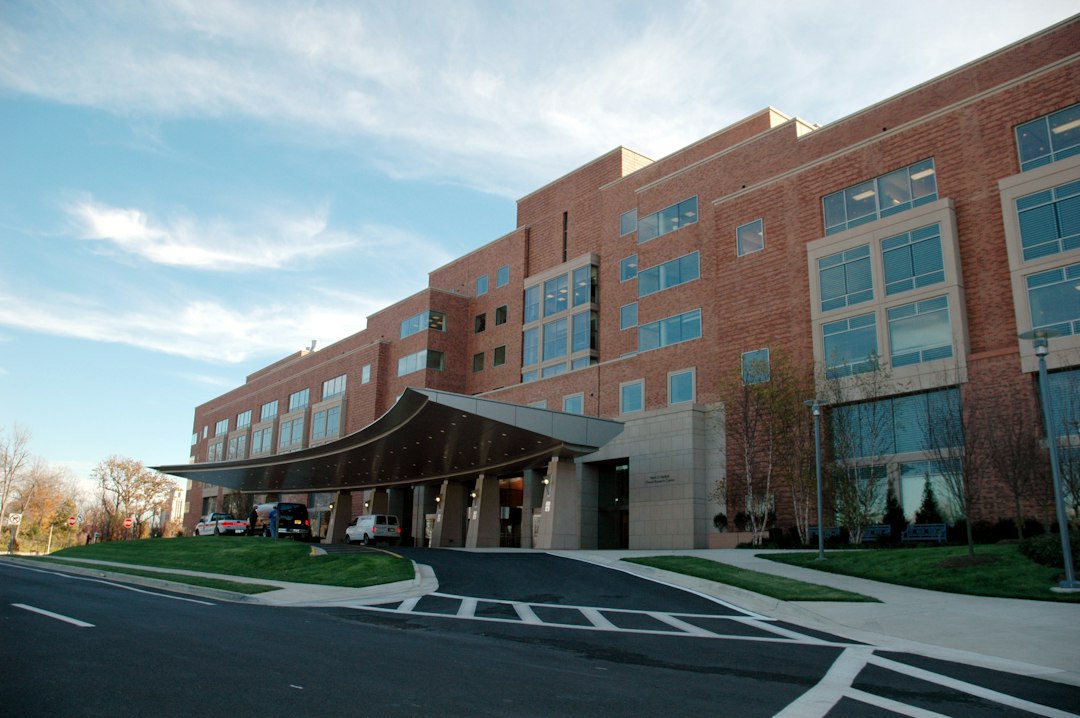
The PAWS Act directs the VA to partner with accredited Service Dog training organizations. These organizations train the dogs, certify them and then work alongside VA providers to match each dog with a veteran. The VA does not breed or train the dogs itself.
The pilot also includes a research component. Veterans who participate may be asked to take part in outcome assessments. The VA uses this data to measure whether Service Dogs reduce PTSD symptom severity, lower rates of suicide ideation and improve overall quality of life. Participation in the research component is part of the program structure, not optional on a case-by-case basis for most participants.
Costs associated with obtaining the dog through the program are covered under the pilot. This includes the dog itself and initial training support. Ongoing veterinary care and supplies are the responsibility of the veteran after placement, though some VA facilities and nonprofit partners offer additional support resources.
It is worth knowing that program capacity is limited. The pilot operates at specific VA medical centers and community-based outpatient clinics. Not every VA facility participates, which is why knowing how to locate the right facility matters.
Your Step-by-Step Path to a Program Dog
Getting a Service Dog through the PAWS Act is a process with distinct stages. Here is how it works from the start.
Step 1: Confirm VA enrollment. Log into your VA account at va.gov or call your local VA medical center to confirm active enrollment. If you are not enrolled, start the application for VA healthcare first.
Step 2: Request a mental health appointment. Ask your VA primary care provider for a referral to mental health services if you do not already have one. Tell your provider you are interested in the PAWS Act Service Dog pilot specifically. Use that language. It helps route your request correctly.
Step 3: Receive your PTSD assessment. A VA mental health provider will conduct a formal evaluation. If PTSD is documented or confirmed, your provider can assess whether a Service Dog is clinically appropriate for your care plan.
Step 4: Get a clinical recommendation. If your provider determines that a Service Dog is appropriate, they submit a referral or recommendation into the PAWS Act program at your facility or a participating facility nearby. This step connects you to the program's nonprofit partner organizations.
Step 5: Work with the training organization. The nonprofit partner will assess the match between you and a candidate dog. This stage includes training sessions, home evaluations and preparation work. You are learning alongside the dog, not just receiving one.
Step 6: Complete the placement process. Once the match is certified, you and your Service Dog complete a formal placement. Follow-up support is typically available through the nonprofit partner for a defined period after placement.
Finding Participating VA Facilities
Not every VA medical center runs the PAWS Act pilot. The program rolled out in phases, and participation varies by region. The most direct way to find out if your facility participates is to contact your VA social worker or patient advocate and ask directly.
You can also call the VA's general information line and ask about PAWS Act program availability in your area. The VA's facility locator tool at va.gov can help you identify your nearest VA medical center, which is the starting point for any follow-up inquiry.
If your local facility does not participate, your VA provider may be able to refer you to a participating facility in your region. Distance can be a barrier for some veterans, and VA social workers are often aware of travel assistance resources that may help.
Nonprofit Service Dog organizations that partner with the VA under the PAWS Act are generally accredited by Assistance Dogs International or a comparable accreditation body. Your VA provider should be able to tell you which organization your facility works with.
What to Expect From the Training Process
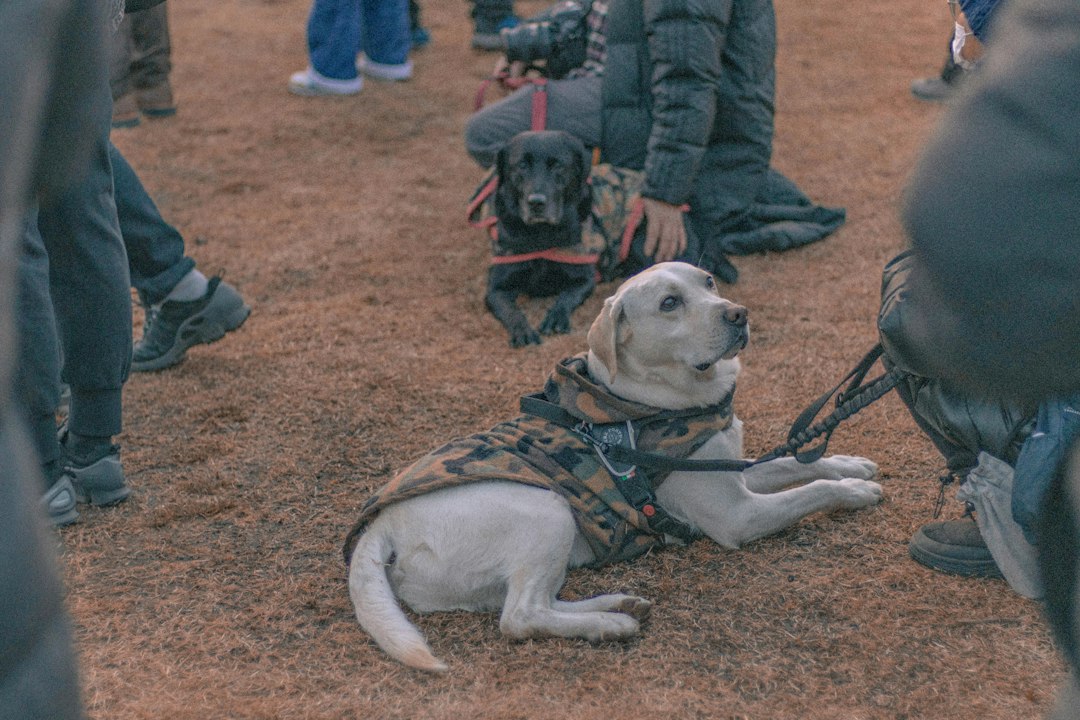
The training process is not passive. Veterans who receive a Service Dog through this program participate actively in training alongside the dog. This is intentional. The bond between handler and dog is built during shared work, not after the fact.
Training typically involves multiple sessions over several weeks or months depending on the nonprofit partner and the specific needs of each veteran. Tasks the dog learns are matched to the veteran's documented PTSD symptoms. A dog placed with a veteran who experiences hypervigilance in crowds will be trained differently than one placed with a veteran whose primary struggle is nightmares and sleep disruption.
Veterans are taught handler skills including how to give commands, how to maintain the dog's training over time and how to advocate for their rights under the Fair Housing Act and the Air Carrier Access Act when traveling or housing the animal. Understanding your Service Dog rights as a veteran is part of being a capable handler.
The research component means you may complete surveys or clinical assessments at regular intervals after placement. This data directly supports future funding and expansion of the program. Your participation matters beyond your own care.
Other Support for Veterans With Service Dogs
The PAWS Act program is one pathway, but it is not the only option available to veterans. Veterans who privately obtain or already have a Service Dog can still access VA resources, including veterinary care benefits for trained Service Dogs under certain conditions. The VA's Prosthetic and Sensory Aids Service manages benefits related to Service Dogs for eligible veterans.
Veterans who need documentation for housing accommodations or related needs may benefit from connecting with a clinical provider outside the VA. As a 501(c)(3) nonprofit healthcare provider, TheraPetic® Healthcare Provider Group supports veterans navigating the intersection of mental health care and support animal documentation. Our Licensed Clinical Doctors have extensive experience working with veterans whose needs are not always met by a single program or pathway.
For veterans exploring whether a Service Dog or Support Animal is the right fit for their situation, getting a clinical evaluation is the clearest starting point. The distinction between these two categories carries real legal weight and affects what rights and protections apply to you.
Veterans facing housing challenges related to a Service Dog or Support Animal can also find plain-language guidance through our housing rights resource page. Knowing your rights before a dispute arises is always better than trying to assert them after the fact.
Taking the First Step
The PAWS Act created something real. It is a funded, structured program inside the VA designed to put trained Service Dogs in the hands of veterans with PTSD. The path to accessing it starts with VA enrollment and a conversation with your mental health provider.
If you are not yet enrolled in VA healthcare, start there. If you are enrolled and carry a PTSD diagnosis, ask your provider directly about the PAWS Act pilot at your facility. Use the specific name of the program. Be direct. That is what gets results.
Veterans who want to explore clinical options outside the VA or who need support animal documentation while navigating a longer process can connect with TheraPetic® Healthcare Provider Group. Our screening process is straightforward and built around veterans' actual needs. Start with our online screening or reach our team directly at (800) 851-4390 or help@mypsd.org.
You served. You deserve care that meets you where you are.
Written By
Ryan Gaughan, BA, CSDT #6202 , Executive Director
TheraPetic® Healthcare Provider Group • About • LinkedIn • ryanjgaughan.com
Clinically Reviewed By
Dr. Patrick Fisher, PhD, NCC , Founder & Clinical Director • The Service Animal Expert™
Editorial Review
This article was reviewed by Dr. Patrick Fisher, PhD, NCC on October 7, 2026 for accuracy, currency, and clarity. Content is updated when laws or guidance change.