

VA mental health care is one of the most expansive support systems available to veterans in the country. It covers everything from individual therapy and medication management to peer support networks and emergency crisis services. And while a Psychiatric Service Dog can be a powerful tool for managing PTSD, anxiety and other mental health conditions, it works best alongside professional care. Not instead of it.
This guide covers what the VA actually offers beyond service dog programs. Real resources. Real access points. Real steps you can take today.
How Mental Health Care and Service Dogs Work Together
A Psychiatric Service Dog is trained to perform specific tasks that reduce the impact of a mental health disability. Interrupting nightmares. Providing deep pressure during panic attacks. Scanning a room before a veteran enters. These tasks are real and they make a measurable difference in daily functioning.
But a service dog is not a therapist. It cannot process trauma. It cannot adjust medications. It cannot provide the structured evidence-based interventions that help veterans recover over time. What it can do is reduce symptoms enough to make those interventions more accessible.
Think of it this way. VA mental health care builds the foundation. A Psychiatric Service Dog helps a veteran live on that foundation more comfortably. The two are not competing options. They are complementary tools. The VA itself recognizes this and in some programs actively supports veterans in acquiring service dogs while they continue receiving clinical treatment.
If you are exploring whether a Psychiatric Service Dog could support your mental health care, start with a free eligibility screening to understand your options before pursuing documentation.
Vet Centers: Community-Based Care Close to Home
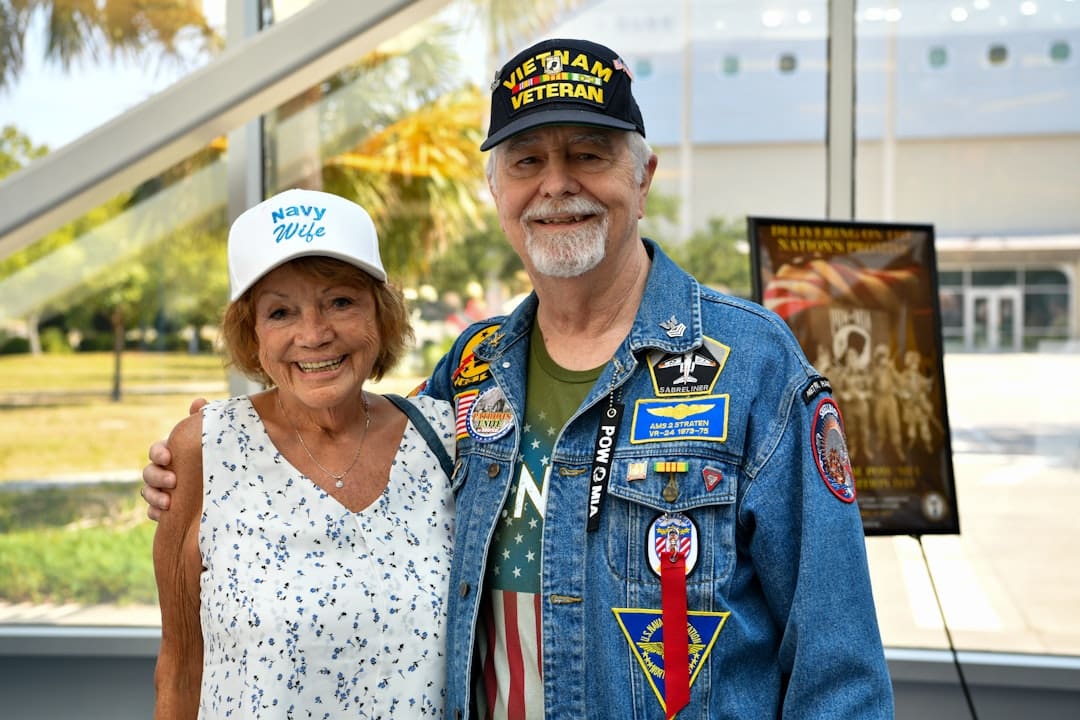
Vet Centers are a distinct part of the VA system that many veterans do not know about. They are not the same as VA medical centers or clinics. They are community-based outreach centers specifically designed for combat veterans, sexual trauma survivors and veterans who may feel uncomfortable walking into a large VA facility.
As of 2026 there are more than 300 Vet Centers across the United States and its territories. They offer individual and group counseling, family therapy, military sexual trauma services, bereavement counseling and referral services. All of this is provided at no cost to eligible veterans.
The eligibility rules for Vet Centers are broader than many veterans expect. You do not need a service-connected disability rating to receive counseling. You do not need to be enrolled in the VA healthcare system. Combat veterans, those who served during periods of armed hostility, veterans who experienced military sexual trauma and many others qualify. The VA provides a Vet Center locator where you can find the nearest location by zip code.
One important detail: Vet Centers often have evening and weekend hours. They are smaller and less bureaucratic than larger VA facilities. Many veterans find them far easier to walk into for the first time.
VA Telehealth: Getting Care Without Leaving Home
VA telehealth has expanded dramatically and now serves hundreds of thousands of veterans each year. Through the VA Video Connect platform veterans can meet with VA mental health providers from a smartphone, tablet or computer. No commute. No waiting room. No need to drive an hour to a facility.
This matters most for veterans in rural areas, those with mobility challenges, those with severe agoraphobia or social anxiety and veterans whose PTSD makes leaving the house consistently difficult. For these veterans telehealth is not a convenience. It is the difference between receiving care and not receiving care.
Services available through VA telehealth include individual psychotherapy, group therapy, medication management and psychiatric evaluations. The VA also offers a mobile app called the VA: Health and Benefits app which allows veterans to manage appointments, access secure messaging with their care team and review health records all in one place.
To access VA telehealth, a veteran must be enrolled in VA healthcare. Enrollment can be completed online at VA.gov, by phone or in person at a VA facility. Once enrolled, a veteran can request telehealth appointments through their primary care team or mental health coordinator.
The Veterans Crisis Line: When You Need Help Right Now
The Veterans Crisis Line is not a last resort. It is a resource for any moment when distress becomes overwhelming. Veterans do not need to be in immediate danger to call. If things feel too heavy to carry alone, the line is there.
You can reach the Veterans Crisis Line by calling or texting 988 and then pressing 1. A chat option is also available at VeteransCrisisLine.net. All three options connect veterans directly to trained responders who are themselves veterans or have extensive experience working with the military community.
The line is available 24 hours a day. Seven days a week. Every day of the year. If you are a family member or caregiver who is worried about a veteran in your life, the line can help you too. Responders can walk through specific situations and help identify local resources.
This is one area where having a Psychiatric Service Dog can be genuinely life-saving in between professional contacts. A dog trained to recognize escalating distress and interrupt dangerous behavior provides a physical anchor in the moment. But the Crisis Line ensures that human support is never more than a phone call away.

Peer Support Specialists: Help From Someone Who Gets It
Peer Support Specialists are veterans who have lived experience with mental health challenges and who have been trained and certified to help other veterans navigate recovery. They are not therapists. They do not provide clinical treatment. But they offer something clinicians often cannot: firsthand knowledge of what it actually feels like to struggle as a veteran and come through it.
The VA employs Peer Support Specialists across its mental health programs and many work embedded within VA medical centers, community-based outreach clinics and Vet Centers. They help veterans set recovery goals, problem-solve obstacles to care, navigate VA systems and simply provide the kind of non-judgmental support that comes from shared experience.
Research consistently shows that peer support improves engagement in mental health treatment. Veterans who feel understood are far more likely to stay in care, follow through on treatment plans and reach out before a crisis develops. Peer specialists bridge the gap between clinical language and lived reality.
Ask your VA care team about peer support services at your nearest facility. You can also find peer support through many Vet Centers and community veteran organizations.
Community-Based Mental Health Programs
The VA does not operate in isolation. Through programs like the Community Care Network the VA can refer veterans to mental health providers in the community when VA facilities cannot provide timely or geographically accessible care. This means a veteran may receive VA-funded therapy from a private practice clinician while still coordinating with a VA care team.
The VA also partners with a wide range of nonprofit organizations that provide veteran-specific mental health services. Programs addressing housing instability, substance use, legal issues and family reintegration are often available through these partnerships. The Supportive Services for Veteran Families program, for example, helps veterans experiencing or at risk of homelessness access stable housing alongside mental health support.
Organizations like the Wounded Warrior Project, Team Red White and Blue and the Bob Woodruff Foundation also provide programming that supports mental health through community connection, physical activity and peer engagement. These are not clinical programs but they address the isolation and disconnection that frequently accompany mental health challenges after military service.
For veterans navigating the civilian workplace, the VA's Compensated Work Therapy program provides vocational rehabilitation alongside mental health support. Employment instability is a significant stressor for veterans post-transition and this program addresses both dimensions at once.
Veterans exploring what mental health documentation might look like in a civilian housing context can also review guidance on Psychiatric Service Dog housing rights to understand how service animals fit into the broader picture of veteran support.
How to Start Accessing VA Mental Health Care
Getting started is the hardest part for many veterans. The system can feel large and confusing from the outside. But there are a few direct entry points that cut through the complexity.
Step one: Enroll in VA healthcare if you have not already. Visit VA.gov or call 1-800-827-1000. Enrollment is free and eligibility is broad. Many veterans who assume they do not qualify actually do.
Step two: Request a mental health appointment directly. Veterans do not need a referral to request mental health services. You can call your VA medical center and ask to schedule with the mental health clinic directly.
Step three: If you are not ready for a VA facility, start with a Vet Center or a telehealth appointment. Both reduce barriers significantly.
Step four: Ask about peer support. When you first meet with any VA mental health provider, ask whether a Peer Support Specialist is available. This single connection can change how you experience the entire system.
Veterans who are also considering a Psychiatric Service Dog as part of their care plan can learn more about how the documentation and qualification process works by completing a free screening. Our Licensed Clinical Doctors work with veterans every day and understand the specific ways service dogs complement professional mental health treatment.
How TheraPetic® Supports Veterans
As a 501(c)(3) nonprofit healthcare provider, TheraPetic® Healthcare Provider Group is committed to making support animal documentation and mental health resources accessible to veterans who need them. Our clinical team understands the intersection of military service, trauma and the practical challenges veterans face when navigating both the VA system and civilian life.
VA mental health care is robust and real. It exists to serve the men and women who served this country. Whatever combination of professional care, peer support and trained service animal works best for you, there is a path forward. You do not have to figure it out alone.
If you have questions about whether a Psychiatric Service Dog is right for your situation, reach out to our team at help@mypsd.org or call us at (800) 851-4390. We are here to help you find the right support for where you are right now.
Written By
Ryan Gaughan, BA, CSDT #6202 — Executive Director
TheraPetic® Healthcare Provider Group • About • LinkedIn • ryanjgaughan.com
Clinically Reviewed By
Dr. Patrick Fisher, PhD, NCC, BC-TMH, C-AAIS — Founder & Clinical Director • The Service Animal Expert™
Editorial Review
This article was reviewed by Dr. Patrick Fisher, PhD, NCC, BC-TMH, C-AAIS on July 1, 2026 for accuracy, currency, and clarity. Content is updated when laws or guidance change.