

Prison puppy programs represent one of the most innovative approaches to training service dogs for veterans. These programs place carefully selected puppies in correctional facilities where incarcerated individuals, including many veterans themselves, dedicate months to raising and training future service dogs. The results benefit everyone involved: veterans receive highly trained service dogs, inmates gain valuable skills and purpose, and society sees reduced recidivism rates.
The concept transforms correctional facilities into training grounds for life-changing partnerships. Inmates work around the clock with puppies, providing the consistent attention and socialization that creates exceptional service dogs. This intensive training environment often produces dogs with superior focus and adaptability compared to traditional training methods.
What Are Prison Puppy Programs
Prison puppy programs partner correctional facilities with service dog organizations to train puppies destined for veterans with disabilities. Professional trainers oversee the programs while carefully selected inmates serve as primary puppy raisers. These inmates spend 18 to 24 months with their assigned puppies, teaching basic obedience, socialization skills, and foundational service dog behaviors.
The Federal Bureau of Prisons supports several such programs across the United States. Each program follows strict protocols to ensure proper animal care and effective training outcomes. Participating facilities must meet specific criteria including adequate veterinary care, secure housing areas for dogs, and qualified staff oversight.
Puppies typically enter these programs between 8 and 12 weeks old. They live in special housing units where selected inmates provide 24-hour care and training. The constant supervision and structured environment create ideal conditions for developing well-adjusted, highly trained service dogs.
These programs focus primarily on training service dogs for veterans with post-traumatic stress, traumatic brain injuries, mobility impairments, and other service-connected disabilities. The dogs learn specialized tasks including medical alert responses, mobility assistance, and anxiety interruption techniques.
How Inmate Training Works
Inmates selected for prison puppy programs undergo extensive screening and training before receiving their assigned puppies. The selection process evaluates criminal history, institutional behavior, remaining sentence length, and demonstrated responsibility. Most programs require inmates to have clean disciplinary records and sufficient time remaining to complete the full training cycle.
Selected inmates attend weeks of classroom instruction covering dog behavior, training techniques, health care basics, and record keeping. Professional dog trainers teach positive reinforcement methods, proper handling techniques, and how to recognize signs of illness or stress in puppies.
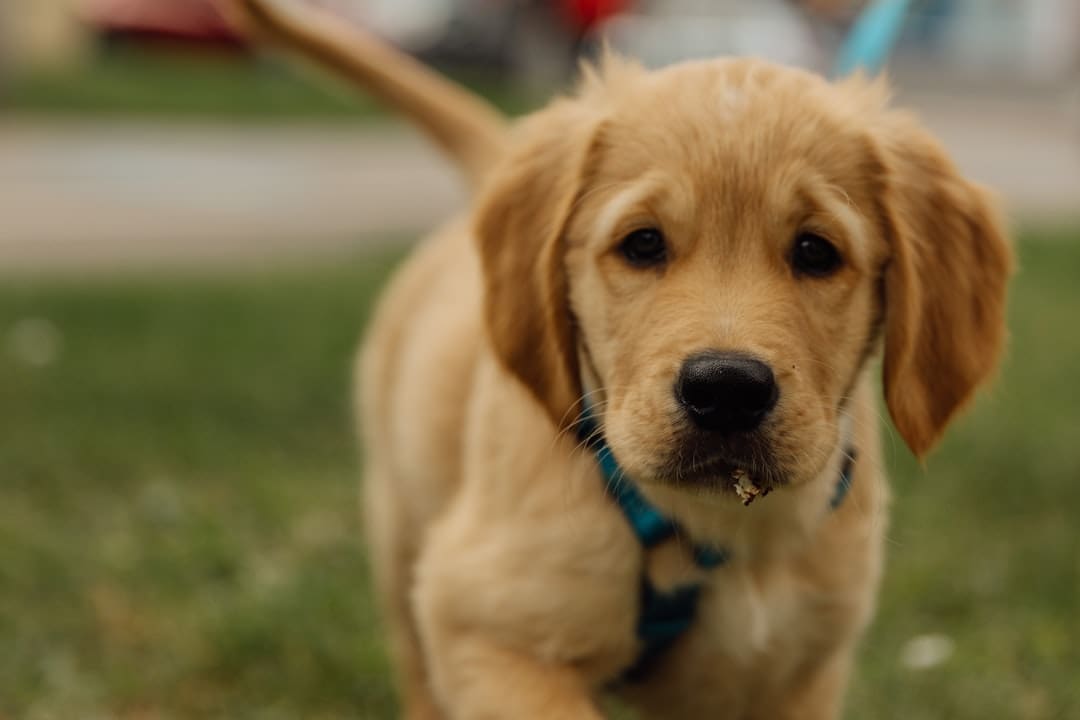
Daily training schedules include multiple sessions focusing on basic commands, house training, leash walking, and socialization exercises. Inmates maintain detailed logs documenting each training session, behavioral observations, and progress milestones. This documentation helps professional trainers track development and adjust training plans as needed.
The training environment provides unique advantages. Inmates have unlimited time to work with their puppies, creating consistent routines that accelerate learning. The structured institutional setting also exposes puppies to various sounds, schedules, and situations that help them adapt to different environments later.
Weekly evaluations by professional trainers ensure training standards are met. Trainers observe sessions, provide feedback, and address any behavioral concerns. This oversight maintains program quality while supporting inmate trainers who may encounter challenging training situations.
Advanced training phases introduce more complex skills like retrieving objects, opening doors, and responding to specific commands. Inmates learn to recognize each puppy's individual strengths and adapt training methods accordingly. This personalized approach often produces superior results compared to batch training methods.
Benefits for Incarcerated Veterans
Many prison puppy program participants are veterans themselves, creating powerful opportunities for healing and purpose. Incarcerated veterans often struggle with post-traumatic stress, addiction, and adjustment disorders that contributed to their criminal behavior. Working with service dog puppies provides therapeutic benefits while developing valuable skills.
The daily responsibility of caring for a puppy creates structure and meaning that many incarcerated veterans have lost. Feeding schedules, training sessions, and health monitoring provide purpose and routine. This responsibility helps veterans reconnect with positive aspects of military service like attention to detail and mission completion.
Knowing their work directly benefits fellow veterans creates additional motivation. Incarcerated veterans understand the challenges facing veterans with service-connected disabilities. Training service dogs for other veterans provides a way to serve their community and make amends for past actions.
The programs also offer vocational training opportunities. Many participants earn certifications in animal care, dog training, or related fields. These credentials improve employment prospects upon release and provide pathways to meaningful careers in animal services.
Mental health benefits are significant. Working with puppies reduces stress, anxiety, and depression common among incarcerated individuals. The unconditional affection from puppies helps rebuild emotional connections and trust that incarceration often damages.
Quality Outcomes for Veterans
Service dogs trained through prison puppy programs often demonstrate exceptional quality and success rates. The intensive, round-the-clock training environment produces dogs with superior focus, adaptability, and behavioral consistency. Many programs report success rates exceeding 80 percent for dogs completing advanced service dog training.
The constant human interaction during critical developmental periods creates dogs with strong bonding abilities and social skills. These qualities are essential for service dogs who must form close working relationships with their veteran handlers. Prison-trained dogs often adapt more quickly to their new homes and responsibilities.
Extensive socialization in institutional settings prepares dogs for various environments they may encounter with veterans. Exposure to different people, sounds, and situations during training helps dogs remain calm and focused in challenging environments like crowded stores, medical facilities, or public transportation.
Cost savings represent another significant benefit. Prison puppy programs can train service dogs for a fraction of the cost of traditional programs. Lower overhead costs and donated inmate labor reduce expenses while maintaining quality standards. These savings allow organizations to serve more veterans with limited resources.
Veterans receiving dogs from prison programs report high satisfaction rates with their service dogs' performance and temperament. The dogs demonstrate strong task focus while maintaining the gentle, calm demeanor essential for veterans dealing with anxiety or post-traumatic stress.
Follow-up studies show prison-trained service dogs maintain their skills effectively over time. The thorough foundational training and consistent handling during development create lasting behavioral patterns that serve veterans well throughout the dogs' working lives.
Top Prison Programs Nationwide
Several established prison puppy programs across the United States have demonstrated consistent success in training service dogs for veterans. The Puppies Behind Bars program operates in multiple states including New York, Connecticut, and Texas. This program has trained over 1,000 service dogs since its founding and maintains rigorous training standards.
The Veterans Moving Forward program at the Federal Correctional Institution in Englewood, Colorado specifically focuses on training service dogs for veterans with post-traumatic stress and traumatic brain injuries. This program partners with nonprofit organizations to place trained dogs with qualifying veterans at no cost.
Canine Cellmates at the Washington State Penitentiary trains both service dogs and facility dogs for various organizations. Their program includes extensive veterinary care and professional oversight that ensures high-quality outcomes for graduating dogs.
The NEADS Prison PUP Partnership operates in several northeastern correctional facilities. This program combines puppy raising with advanced training for dogs destined to serve veterans, children with autism, and individuals with physical disabilities.
Each program maintains specific eligibility requirements for participating inmates and follows established protocols for animal welfare and training standards. Professional oversight ensures consistent quality while state and federal regulations protect both animals and participants.
Rehabilitation and Recidivism Impact
Research demonstrates that participation in prison puppy programs significantly reduces recidivism rates among inmates. Studies show participants are 25 to 40 percent less likely to return to prison compared to the general inmate population. The programs provide structure, purpose, and valuable skills that support successful reentry into society.
The responsibility of caring for a vulnerable animal teaches empathy and nurturing behaviors that many inmates have never developed. These emotional skills transfer to human relationships and help former inmates build positive connections in their communities.
Employment prospects improve dramatically for program graduates. Many find work with veterinary clinics, animal shelters, dog training facilities, or pet care businesses. The hands-on experience and documented training completion provide credible qualifications that employers value.
Program participants develop self-esteem and confidence through successful completion of challenging training goals. Watching their assigned puppies graduate to serve veterans creates pride and accomplishment that motivates continued positive behavior.
The structured environment and daily responsibilities prepare inmates for the routines and obligations they will face upon release. Time management, attention to detail, and consistent performance become ingrained habits that support successful reintegration.
As a 501(c)(3) nonprofit healthcare provider, TheraPetic® Healthcare Provider Group recognizes the vital importance of innovative programs that serve veterans while supporting rehabilitation efforts in our communities.
Challenges and Solutions
Prison puppy programs face several operational challenges that require careful management and innovative solutions. Security concerns top the list as correctional facilities must balance animal welfare with institutional safety requirements. Programs address these concerns through strict participant screening, secured housing areas for dogs, and comprehensive staff training.
Funding represents another significant challenge. Programs require substantial resources for veterinary care, professional trainers, specialized equipment, and facility modifications. Many programs rely on partnerships with nonprofit organizations, corporate sponsorships, and government grants to maintain operations.
Veterinary care coordination can be complex in institutional settings. Programs must arrange regular check-ups, vaccinations, and emergency care while maintaining security protocols. Many facilities contract with local veterinarians or establish on-site clinics to address these needs.
Emotional challenges arise when inmates must separate from puppies upon program completion. The strong bonds formed during training create genuine grief when dogs graduate to advanced training or placement with veterans. Programs address this through counseling support and opportunities to follow their dogs' progress.
Quality control requires constant attention as inexperienced trainers may inadvertently teach inappropriate behaviors or miss important developmental milestones. Regular evaluations, ongoing education, and professional supervision help maintain training standards throughout the program.
Staff turnover in correctional facilities can disrupt program continuity. Programs address this through cross-training multiple staff members and developing detailed protocols that new personnel can follow effectively.
Getting Involved or Applying
Veterans interested in receiving service dogs from prison puppy programs should research organizations operating these programs in their area. Most programs maintain waiting lists and require comprehensive applications documenting disability status and service dog needs. The screening process typically includes medical documentation, interviews, and assessments of living situations.
Application requirements vary by program but generally include proof of military service, documentation of qualifying disabilities, and references from healthcare providers. Some programs prioritize veterans with specific conditions like post-traumatic stress or mobility impairments that benefit most from trained service dogs.
Supporters can contribute to prison puppy programs through donations, volunteering, or advocacy efforts. Many programs need funding for veterinary care, training equipment, and professional oversight. Volunteers may assist with transportation, fundraising events, or administrative tasks.
Correctional facilities interested in establishing programs should contact established organizations for guidance on development, implementation, and ongoing management. Successful programs require significant planning, resources, and ongoing commitment from institutional leadership.
Corporate partnerships provide another avenue for support. Businesses can sponsor individual dogs, provide equipment or services, or support program operations through direct funding. These partnerships create positive community connections while supporting meaningful rehabilitation programs.
For veterans seeking support animal documentation or exploring service dog options, TheraPetic® Healthcare Provider Group offers comprehensive evaluations by Licensed Clinical Doctors. Our team understands the unique needs of military veterans and provides personalized assessments for qualifying individuals. Visit go.mypsd.org to learn more about our services and begin your application process.
Written By
Ryan Gaughan, BA, CSDT #6202 — Executive Director
TheraPetic®® Healthcare Provider Group • About • LinkedIn • ryanjgaughan.com
Clinically Reviewed By
Dr. Patrick Fisher, PhD, NCC, BC-TMH, C-AAIS — Founder & Clinical Director • The Service Animal Expert™
Editorial Review
This article was reviewed by Dr. Patrick Fisher, PhD, NCC, BC-TMH, C-AAIS on April 24, 2026 for accuracy, currency, and clarity. Content is updated when laws or guidance change.