

The Wounds That Don't Show Up on an X-Ray
Veteran service dogs exist because some wounds are invisible. You cannot see a traumatic brain injury on the outside of someone's skull. You cannot photograph moral injury. You cannot run a blood test that shows the damage done by military sexual trauma.
But these wounds are real. They shape every morning, every crowded grocery store, every night that doesn't bring sleep. And they affect hundreds of thousands of veterans who came home from service carrying weight the public rarely sees or understands.
This article is written for those veterans. It is also written for the people who love them and want to understand why a trained service dog can change something that years of medication and therapy alone could not.
Why Veteran Mental Health Is More Complex Than Most People Know
The public conversation about veteran mental health usually starts and stops at PTSD. That is not wrong. Post-traumatic stress is widespread and serious. But it is rarely the only thing happening.
Veterans frequently present with what clinicians call comorbidities. That means multiple conditions occurring at the same time, stacking on top of each other. A veteran might carry PTSD alongside traumatic brain injury, chronic pain from physical injuries, depression, substance use, and disrupted sleep, all simultaneously.
Our Licensed Clinical Doctors at TheraPetic® Healthcare Provider Group see this pattern regularly. When multiple diagnoses overlap, treatment becomes more complicated. What helps one condition can sometimes aggravate another. And the veteran, trying to manage all of it, often ends up exhausted, isolated, and convinced that nothing will ever work.
That is where the conversation about veteran service dogs needs to start: not with a simple condition, but with the full weight of what veterans carry.

TBI, Chronic Pain, and the Cycle That Never Stops
Traumatic brain injury affects a significant portion of veterans who served in post-9/11 combat zones. Blast exposure, vehicle accidents, and close-range explosive events can all cause TBI, and many veterans were never formally diagnosed at the time of injury.
TBI symptoms can include memory problems, difficulty concentrating, irritability, headaches, and sensitivity to light and sound. These symptoms do not always look dramatic. They can look like a bad day, a short temper, or someone struggling to hold a conversation. Over time, unaddressed TBI wears people down.
Chronic pain is closely linked. Many veterans live with physical injuries that cause daily pain, and that pain feeds the psychological picture. Pain disrupts sleep. Disrupted sleep worsens mood and cognitive function. Worsened mood increases sensitivity to pain. The cycle feeds itself.
Medication can manage parts of this cycle. It cannot interrupt it entirely. A veteran service dog trained to respond to distress, interrupt nighttime episodes, and provide deep pressure stimulation during pain flares addresses the experience of chronic suffering in a way that no pill can replicate. The dog is present. The dog responds. The dog does not require a prescription refill or a pharmacy appointment.
MST, Moral Injury, and the Wounds That Carry Shame
Military sexual trauma is addressed under federal law through the Department of Veterans Affairs, which provides free mental health care to any veteran who experienced MST during service, regardless of whether they reported it at the time or whether they have a service-connected disability rating. That coverage exists because MST is acknowledged as a serious and widespread harm.
The psychological aftermath of MST often mirrors combat-related PTSD in its severity but carries an additional layer. Many survivors feel shame, self-blame, or a sense that their trauma is less legitimate than what happened "in the field." That internalized stigma can make it harder to seek help and harder to stay in treatment.
Moral injury is a different but equally serious wound. It occurs when a service member witnesses, participates in, or fails to prevent something that violates their moral or ethical beliefs. It is not the same as PTSD, though they often occur together. Moral injury carries guilt, grief, and a profound sense of disconnection from meaning. It can make a veteran feel unworthy of care, which is one reason standard treatment pathways do not always reach them.
A service dog does not judge. It does not require a veteran to explain what happened or prove that what they feel is real. The bond between a veteran and their service dog is unconditional in a way that is genuinely therapeutic, and for veterans carrying shame-based wounds, that unconditional presence matters more than clinicians sometimes realize.
How Service Dogs Fill the Gaps That Medication Alone Cannot
Psychiatric medication plays a legitimate role in veteran mental health care. It is not the enemy. But it has real limitations that veterans who have tried multiple medication regimens already know firsthand.
Medication is passive. You take it and wait. It addresses symptoms from the inside, often with side effects that create new problems. It does not respond to your environment. It does not notice when you are spiraling in a crowded parking lot. It does not wake you up from a nightmare by pressing its body against yours.
A trained veteran service dog is active. It is trained to perform specific tasks that interrupt the symptom cycle in real time. The dog functions as an external regulation system, pulling the veteran's nervous system back toward baseline through physical contact, scent, and trained behavior.
Research from VA-affiliated institutions and independent clinical programs consistently supports the therapeutic value of service animals for veterans with PTSD and related conditions. The VA's Office of Research and Development has funded multiple studies examining this connection. The results are not preliminary anymore. Veteran service dogs work, and they work in ways that complement rather than replace other treatments.
TheraPetic® Healthcare Provider Group, as a 501(c)(3) nonprofit, was founded on the principle that access to legitimate support animal documentation and clinical guidance should not be determined by a veteran's financial situation. That mission shapes everything we do.
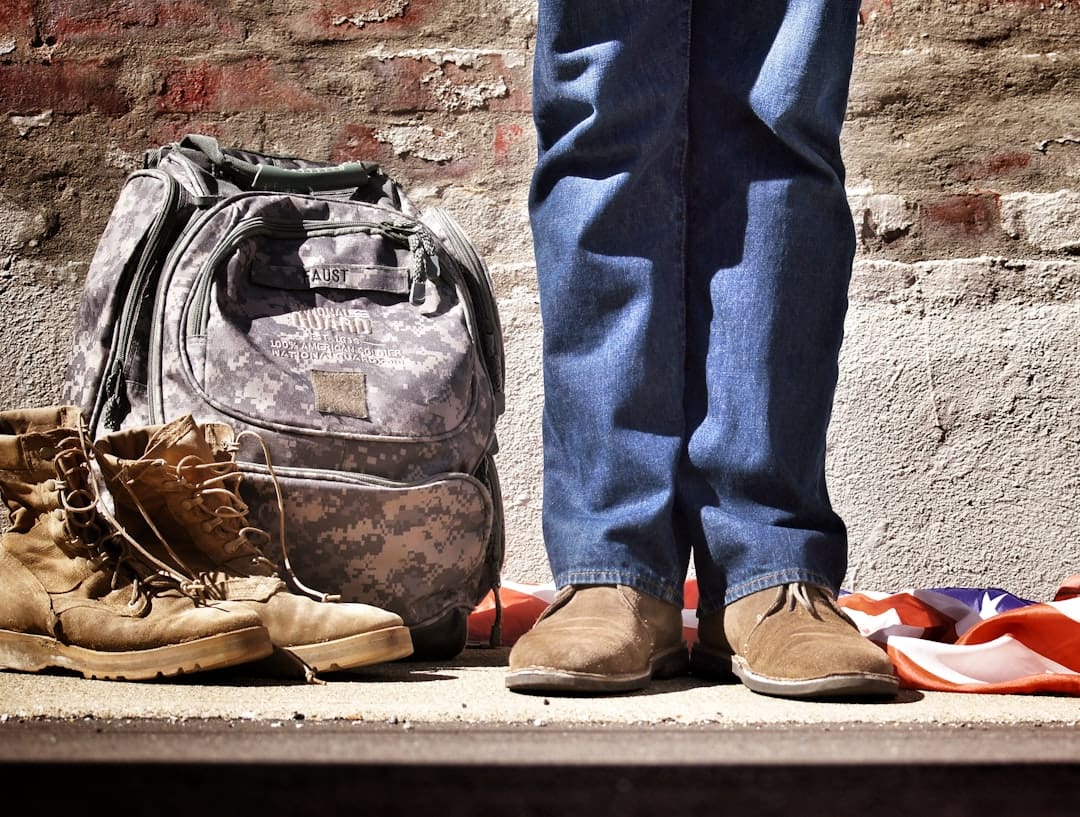
What a Veteran Service Dog Actually Does
A veteran service dog is not a pet with a vest. It is a trained working animal that performs specific, documented tasks tied to its handler's disability. Under the Americans with Disabilities Act, a service dog is defined by the work it performs, not by its registration, certification, or paperwork.
For veterans, those tasks typically address the symptom picture we have been discussing. Common trained tasks include:
- Nightmare interruption: the dog wakes the veteran during sleep disturbances
- Deep pressure therapy: the dog applies body weight to interrupt anxiety or panic
- Perimeter work: the dog positions itself to allow the veteran to sit with their back to a wall in public spaces
- Room clearing: the dog enters and searches a space before the veteran, reducing hypervigilance responses
- Grounding cues: the dog nudges or paws at the veteran during dissociative episodes to return them to the present moment
- Crowd buffering: the dog creates physical space between the veteran and strangers in tight environments
These are not tricks. They are precision behavioral interventions that directly address the specific symptoms created by PTSD, TBI, MST, and moral injury. The dog becomes part of the treatment plan.
Veterans who want to understand the legal framework for service dogs, including their rights in housing under the Fair Housing Act, can visit our Service Dog Rights resource page for plain-language guidance.
Taking the First Step Toward a Service Dog
One of the biggest barriers veterans face is not knowing where to start. The process can feel bureaucratic and exhausting, especially when you are already stretched thin.
The first step is a clinical evaluation by a Licensed Clinical Doctor who understands veteran-specific presentations. That evaluation documents your diagnosis, your symptoms, and the functional limitations that make a service dog appropriate for your care. This documentation is what gives you legal standing under federal law.
Veterans can begin that process through TheraPetic® Healthcare Provider Group's clinical screening. Our Licensed Clinical Doctors are trained to recognize the complexity of veteran mental health, including overlapping diagnoses that other providers sometimes miss or undercount. You can start your clinical screening here at any time.
The VA also has programs that support veteran access to trained service dogs, particularly through its Assistance Dog Initiative. Understanding both the clinical and VA pathways matters, because they serve different purposes and are not mutually exclusive. Our team can help you understand both.
For veterans navigating the transition from military to civilian life, our Military-to-Civilian Transition guide covers the specific challenges that arise in that window and how service dogs support long-term stability after separation.
Our Commitment to Veterans
TheraPetic® Healthcare Provider Group is a 501(c)(3) nonprofit healthcare provider. Our mission has always included ensuring that veterans with complex, overlapping diagnoses receive clinical documentation that accurately reflects what they are living with, not a simplified version that fits a checkbox.
Veteran mental health is not simple. The wounds are not simple. The care should not be simple either. If you are a veteran who has been told that your symptoms are manageable with medication alone, or that a service dog is not medically justified for your situation, we encourage you to seek a second clinical opinion. You deserve a full evaluation from someone who understands what invisible wounds actually look like.
Reach our clinical team at help@mypsd.org or call (800) 851-4390. We are here to help you move forward.
Written By
Ryan Gaughan, BA, CSDT #6202 — Executive Director
TheraPetic® Healthcare Provider Group • About • LinkedIn • ryanjgaughan.com
Clinically Reviewed By
Dr. Patrick Fisher, PhD, NCC, BC-TMH, C-AAIS — Founder & Clinical Director • The Service Animal Expert™
Editorial Review
This article was reviewed by Dr. Patrick Fisher, PhD, NCC, BC-TMH, C-AAIS on July 8, 2026 for accuracy, currency, and clarity. Content is updated when laws or guidance change.